One of the troubles with “unity” is that even the word sounds soppy. There’s nothing crisp or attractive about it. Synonyms such as “togetherness” or “oneness” are no better. They neither grab the heart or capture the imagination.
Yet it was so important to Jesus that he spent considerable time praying about it on the very night he was arrested. As he prepared for trial and death, and as he prepared his disciples to be without him, we have his longest prayer on record (John 17) – and it’s about unity!
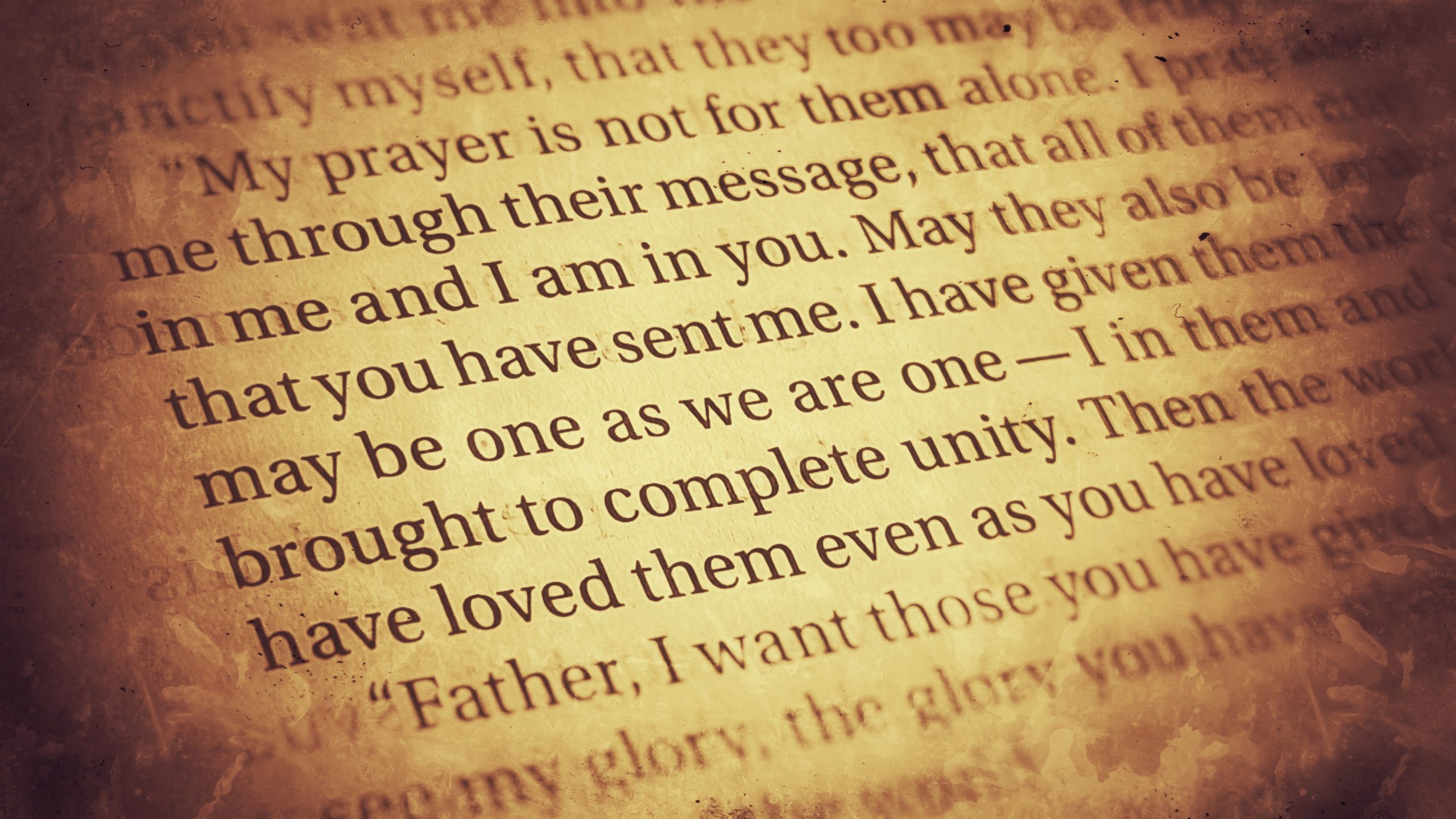
“My prayer is not for them alone. I pray also for those who will believe in me through their message, that all of them may be one, Father, just as you are in me and I am in you. May they also be in us so that the world may believe that you have sent me.”
(John 17:20-21).
Later in the New Testament, the same subject is no less important to Paul. Significant column inches are devoted to coaching whole churches and their leaderships to discover, or rediscover, the basis of unity where there are personality differences, theological differences and racial differences. Whole chapters teaching us love for one another, the priority of reconciliation and the patterns of order to prioritise harmony in the church.
And the foundation of all unity, foreseen in Jesus’ prayer and addressed with great clarity by Paul, is that unity between Jesus’ Jewish disciples, the Jewish believers that form the foundation of the church, and those of us who subsequently believe in Jesus through their message, Gentiles the world over. Jesus prayed that we remain as one so that the world may believe (John 17:21-22). Paul taught about Gentile believers gaining citizenship alongside their Jewish-believing brethren and forming one temple, indwelt by the Spirit (Ephesians 2:11-22). In fact one of the really central events of the whole New Testament story was the Jerusalem Council (Acts 15) to preserve this unity.
So why is it that we find it so easy to justify division? And what is it about evangelicals (in particular) that cause us to separate over pretty-much everything? Why, in our hierarchies of truths and doctrines that we adhere to like limpets, is unity not right up there at the top of the stack?


Leave a Reply